Home › Caregivers › Memory care & dementia
Memory care and dementia help on the Nature Coast
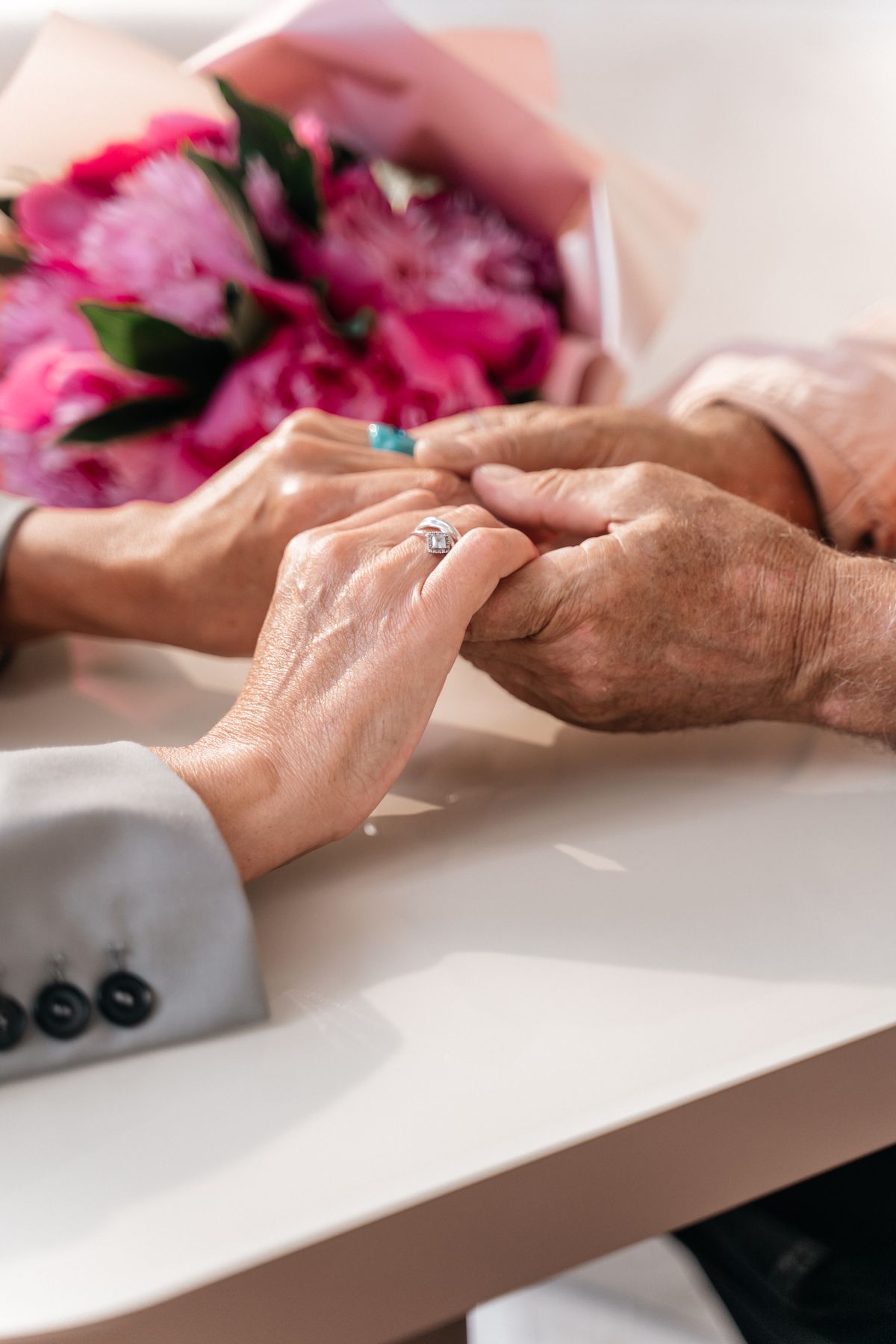
Photo: Antoni Shkraba / Pexels.
A dementia diagnosis is a lot to carry, and you don't have to carry it alone. This is a plain starting point: how to spot the warning signs, where the free help is, what respite means, and who to call first here in Citrus, Hernando, and Pasco County.
Last reviewed: August 10, 2026
The short version:
- There's a free 24/7 helpline. The Alzheimer's Association answers any time, day or night, at 800-272-3900 -- for questions, a hard night, or just to talk it through.
- Florida has a program built for this. The Alzheimer's Disease Initiative pays for respite (a break for you) and runs Memory Disorder Clinics for diagnosis.
- The Elder Helpline is your local front door. One call screens your family for respite, adult day care, and in-home help (Citrus & Hernando 1-800-262-2243; Pasco 1-800-963-5337).
- Respite keeps you standing. Adult day centers and in-home respite give the caregiver a real break -- and Florida's program can help pay for it.
- Getting help early matters. A memory clinic can pin down what's going on, and some causes of memory trouble are treatable.
Common questions
- What are the early signs of dementia?
- Common early signs include memory loss that disrupts daily life, trouble planning or solving problems, difficulty with familiar tasks, confusion about time or place, new problems with words, misplacing things and being unable to retrace steps, poor judgment, and changes in mood or personality. One slip isn't dementia -- a pattern that's getting worse is worth a doctor's visit.
- What's the difference between memory care and assisted living?
- Assisted living helps with daily tasks like meals, bathing, and medications. Memory care is a specialized kind of assisted living, in a secured setting with staff trained for dementia -- built to keep someone from wandering and to reduce confusion. Memory care usually costs more. This page is educational; we don't sell or place people in facilities.
- Is there free help for dementia caregivers in Florida?
- Yes. Florida's Alzheimer's Disease Initiative funds respite care and Memory Disorder Clinics, and the Alzheimer's Association helpline and support groups are free. Start by calling the Elder Helpline, which screens your family and connects you to these services.
- What is respite care, and how do I get it?
- Respite is short-term care that gives the regular caregiver a break -- in your home, at an adult day center, or for a short overnight stay. Florida's Alzheimer's Disease Initiative can help pay for it. Ask the Elder Helpline to screen you for respite.
- Who do I call first?
- Two calls. The Alzheimer's Association 24/7 Helpline (800-272-3900) for guidance and support, and your local Elder Helpline (Citrus & Hernando 1-800-262-2243; Pasco 1-800-963-5337) to line up respite, adult day care, and in-home help.
- How do I keep someone with dementia safer at home?
- Reduce fall and wander risks: lock away medications and car keys, add door alarms or locks out of the usual line of sight, turn down the water heater to prevent scald burns, remove throw rugs, and consider a medical alert or a location device. Our home-safety pages walk through each step.
Know the warning signs
The Alzheimer's Association lists ten common warning signs. Any one can have another cause, but a pattern that keeps getting worse is a reason to see a doctor:
- Memory loss that disrupts daily life (forgetting recently learned information, important dates, asking the same question over and over)
- Trouble planning or solving problems, or following a familiar recipe or bills
- Difficulty completing familiar tasks at home, work, or driving to a known place
- Confusion with time or place -- losing track of dates or how they got somewhere
- Trouble reading, judging distance, or telling colors (which can affect driving)
- New problems finding words, following a conversation, or naming things
- Misplacing things and being unable to retrace steps, sometimes accusing others
- Decreased or poor judgment, especially with money or grooming
- Withdrawing from work, hobbies, or social life
- Changes in mood or personality -- confused, suspicious, fearful, or easily upset
Get a real diagnosis: Memory Disorder Clinics
A Memory Disorder Clinic gives a thorough workup to find out what's causing the memory trouble -- because some causes (like medication side effects, thyroid problems, or vitamin shortfalls) are treatable. Florida funds a network of these clinics through the state's Alzheimer's Disease Initiative. To find the one nearest the Nature Coast, call the Elder Helpline or ask your doctor for a referral.
Florida's Alzheimer's Disease Initiative
Florida's Alzheimer's Disease Initiative (ADI) was created to support families living with Alzheimer's and related dementias. It funds two things caregivers use most:
- Respite care -- in-home, adult day care, emergency, and short extended stays -- so the caregiver can rest, work, or handle their own health.
- Memory Disorder Clinics -- diagnosis and referral services across the state.
You reach these services through your Area Agency on Aging by calling the Elder Helpline. They'll screen your situation and point you to what you qualify for.
Take care of the caregiver
Caregiver burnout is real, and stepping back for a break is not letting anyone down -- it's how you keep going. Lean on the free supports: the 24/7 helpline, local support groups (ask the helpline or the Alzheimer's Association), and respite so you get regular time off. Our caregiver help page gathers more.
Sources
- Alzheimer's Association -- 24/7 Helpline (800-272-3900) and 10 Warning Signs of Alzheimer's. https://www.alz.org/help-support/resources/helpline and https://www.alz.org/alzheimers-dementia/10_signs
- Florida Department of Elder Affairs -- Alzheimer's Disease Initiative (ADI): respite & Memory Disorder Clinics. https://elderaffairs.org/programs-and-services/alzheimers-disease-initiative-adi/
- Florida Department of Elder Affairs -- Elder Helpline / Area Agencies on Aging (1-800-96-ELDER). https://elderaffairs.org/
- National Institute on Aging -- Alzheimer's and dementia caregiving & home safety. https://www.nia.nih.gov/health/alzheimers